Wine

Wine country wildfires skipped Healdsburg

Wine country wildfires skipped Healdsburg

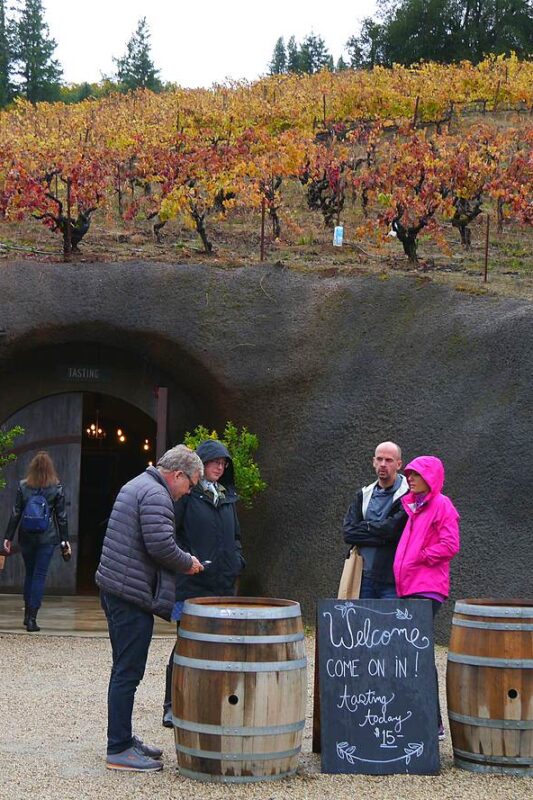
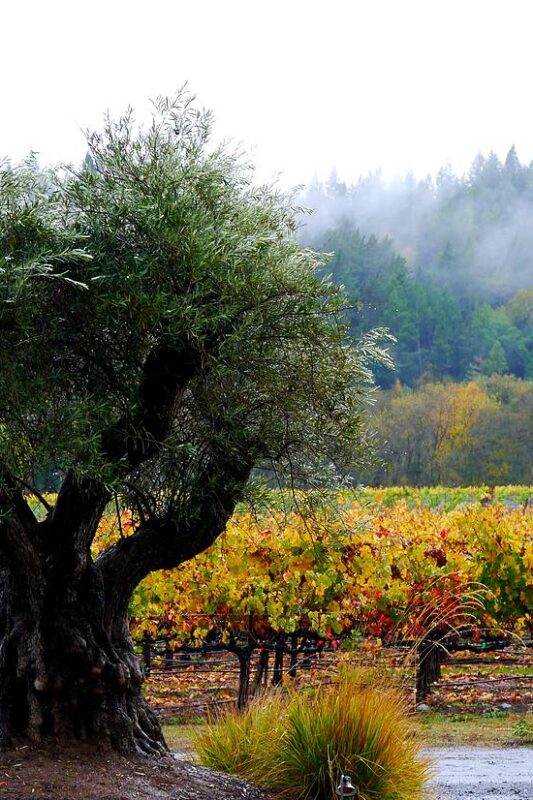
We had planned to visit Healdsburg in California's Sonoma County long before the terrible wine country wildfires broke out in early October. We settled on the town because it sits at the junction of the Russian River Valley, the Alexander Valley, and the Dry Creek Valley wine regions. Among them, they produce some of California's leading Zinfandel, Pinot Noir, and Sauvignon Blanc. The Russian River Valley subregion of Chalk Hill is also famed for its Chardonnay. And where there's good wine, there's also good food. After seeing the dramatic news coverage of the wildfires, we considered canceling. But prevailing winds spared most of the area around Healdsburg while scorching other parts of Sonoma and Napa. Healdsburg pitched in by housing and feeding the firefighters who...Read More
Huber’s shows a farm can do it all

Huber’s shows a farm can do it all

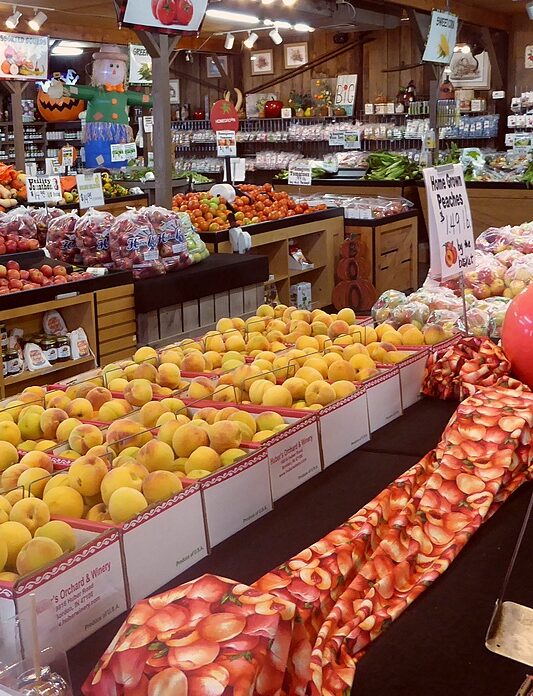
At roughly 650 acres, Huber's Orchard, Winery, & Vineyards (19816 Huber Road, Borden, Indiana, 812-923-9463, huberwinery.com) is the largest farm in Southern Indiana. And with 90 acres under cultivation with grape vines, it's also the largest wine-grape producer in the state. But what matters most to the Hubers is that the farm has been family-owned and operated since 1843. That's when Simon Huber emigrated from Germany and settled on 80 acres in Southern Indiana. Now into the seventh generation of Huber oversight, the operation has grown and diversified. But, says Dana Huber, the family has not lost track of its roots. “We are farmers first. Our main goal is to keep the farm in the family.” The farm was mainly a PYO operation through the...Read More
1865 wines push Chilean boundaries

1865 wines push Chilean boundaries

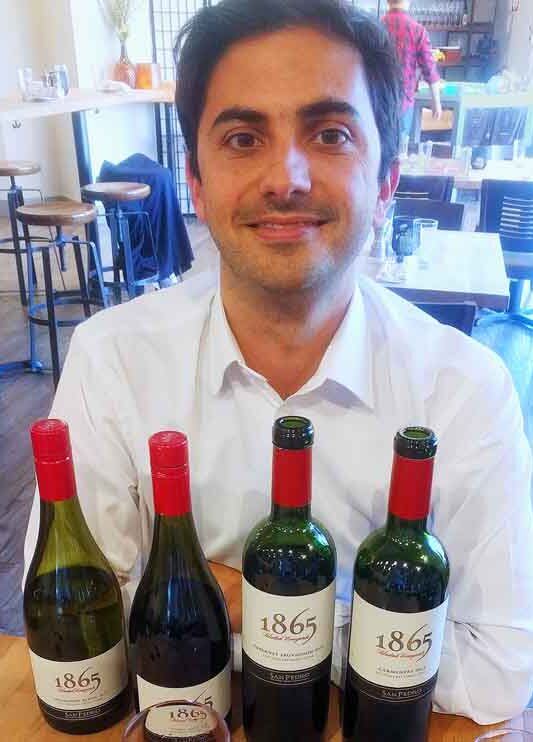
As the planet's temperature rises, wine regions creep into zones once considered inhospitable for Vitis vinifera. Chile is no exception. Matias Cruzat, the young winemaker for Viña San Pedro's 1865 brand (sanpedro.cl/en/1865-single-vineyard), casts the newer cold-climate vineyards as “seeking Burgundy in Chile.” To his credit, Cruzat isn't imitating the Burgundians. But he has steered the 1865 wines toward a balance between old and new world styles. Bargain-priced in the $12-$18 range, these are nonetheless premium wines. (Viña San Pedro's entry-level wines sell under the GatoNegro label.) Cruzat's reference to Burgundy refers to the newest 1865 single-vineyard wines: Pinot Noir and Chardonnay from the Elqui Valley. “It is really the southern end of the Atacama Desert,” he points out. The region has grown grapes since the...Read More
Bassus Pinot Noir from Utiel Requena exudes elegance

Bassus Pinot Noir from Utiel Requena exudes elegance

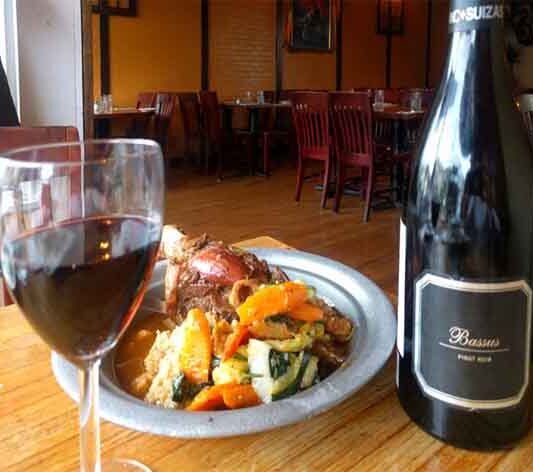
Regular readers might recall our summer series on the wines of D.O. Utiel Requena. By and large, those wines represented intriguing expressions of the Bobal grape. The wine we're talking about today was an outlier. Made by Bodegas Hispano+Suizas (bodegashispanosuizas.com), Bassus is the only 100 percent Pinot Noir wine carrying the D.O. Utiel Requena imprimatur. As we tried to figure out what kind of food would go with it, we came across Alia Ristorante (395 Shirley St., Winthrop; 617-539-1600; aliaristorante.com) in Winthrop—a peninsular village east of Boston's Logan Airport. Best of all, Alia (as the chalkboard sign outside indicates) is a BYOB restaurant. Chef-owner Saeed Lahyani named the place for his hometown on the outskirts of Casablanca in Morocco. He has a pretty impressive culinary...Read More
Cave Spring Cellars shines in Jordan, Ontario

Cave Spring Cellars shines in Jordan, Ontario

Jordan Village compresses the Niagara Peninsula experience into a single stop. In just one kilometer along Nineteenth Street, the downtown packs in lodgings with character, a bakery, restaurants, a tavern, and just enough boutique shopping to stave off retail withdrawal. This being Niagara, there is, of course, also a winery. Cave Spring Cellars (cavespring.ca), in fact, is the centerpiece of the community. The Pennachetti family began buying land on the Beamsville Bench in the early 1970s and by the end of the decade, they had become visionary viticulturalists. Conventional wisdom held that only the area around Niagara-on-the-Lake was warm enough for European wine grapes to thrive, but the Pennachettis began growing Riesling and Chardonnay with considerable success. In 1986, Len Pennachetti and family members joined...Read More
Sweetest season calls for wines to match

Sweetest season calls for wines to match

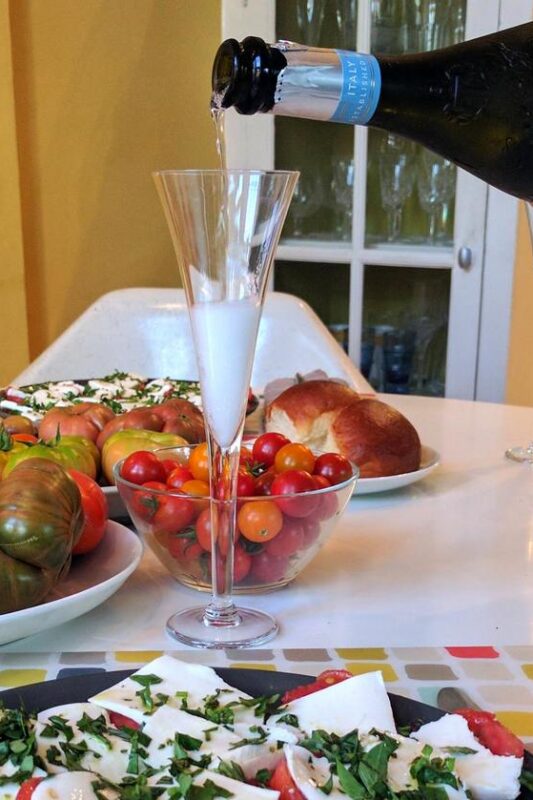
North Americans used to love sweet wines. We used to love them so much that we became ashamed of our preference for residual sugar. For the last few decades, every casual wine drinker on the continent would insist, “Oh, I only drink dry wines”—as if that preference made them more sophisticated. Leaving aside the fact that residual sugar in a wine can be a highly subjective experience, anyone who always insists on bone-dry wines is really missing the boat. So it's a pleasure to see that Piemonte-based Italian wine giant Zonin (www.zoninusa.com) is bringing the full line of its Castello del Poggio wines to North America as part of its “Hello Sweet Life” campaign. Since Zonin took over the estate based in Asti in 1985,...Read More
Realizing a 150-year dream: Ravine Vineyard Estate

Realizing a 150-year dream: Ravine Vineyard Estate

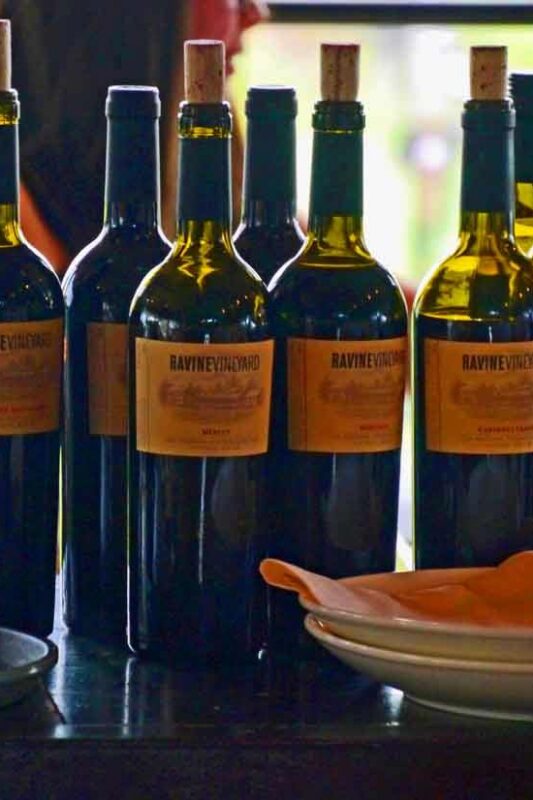
Norma Jean Lowery Harber's family has farmed the 34 acres of Ravine Vineyard Estate (ravinevineyard.com) in St. Davids since 1867. Indeed, her great-grandfather planted the Niagara region's first commercial vineyard here in 1869 and the land was in orchards for many decades. Norma Jean and her husband Blair Harber bought the farm from the rest of the family in 2004. They set about creating organic vineyards and an organic winery. Norma Jean's father had grown wine grapes, and the couple replanted vineyards to focus on the three classic Bordeaux reds (Merlot, Cabernet Sauvignon, and Cabernet Franc) along with Chardonnay, Riesling, and small amounts of Gewürtztraminer. The wines are reason enough reason to visit Ravine. As luck had it, we missed the tasting room hours. But...Read More
Summer love: Chinon and ratatouille

Summer love: Chinon and ratatouille

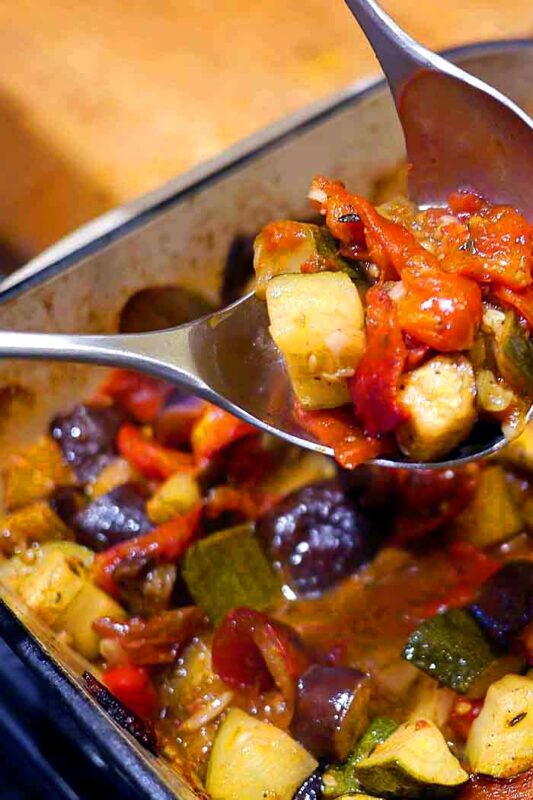
August brings a near-embarrassment of riches. After a wet summer with good heat, our garden is in overdrive. What we don't grow we can buy in abundance at the farmers markets held daily here in Cambridge. We have to remind ourselves that one does not live on insalata caprese alone. In August, there is also ratatouille. Such elemental foods deserve a special kind of reverence. British health and fitness guru Nick Barnard runs Rude Health (rudehealth.com). It is a food and drinks company that goes way beyond all the wholesome foodie fashions to get back to basics. His new book of food philosophy with 130 recipes, Eat Right, is published by Kyle Books (kylebooks.com). You can buy it here on Amazon. It's our favorite kind...Read More
Vineland Estates Winery: a clone of one’s own

Vineland Estates Winery: a clone of one’s own

“These trees are the beginnings of Canada,” David Hulley told us as he welcomed us to the cathedral-like log barn that serves as the tasting room of Vineland Estates Winery (vineland.com). “Trees were being cut down for warships. Some of them weren't needed, so they were used for this barn.” The 1877 structure and the landmark stone tower are among several practical and handsome buildings remaining from a 19th century Mennonite homestead. They perch on an elevated slope along the Twenty Mile Bench of the Niagara escarpment. The chinked log-cabin barn certainly makes the region's most dramatic tasting room. The winery's setting atop the rise among vineyards makes it among the most picturesque estates in the Niagara region. The buildings anchor 42 acres of vineyards,...Read More
Bobal brings friends to the barbecue

Bobal brings friends to the barbecue

Our previous posts on D.O. Utiel Requena (see here) have concentrated on wines of the indigenous Bobal grape. Finca San Blas (fincasanblas.com) in Requena makes a well-regarded 100 percent Bobal. But the bodega also has extensive vineyards planted in Merlot, Tempranillo, Cabernet Sauvignon, and Chardonnay. Its 2014 Lomalta blends 40 percent Bobal with 30 percent each of Merlot and Tempranillo. The resulting wine is a world apart from the black cherry and resinous spice profile of traditional Bobal. The Bobal characteristics are largely overshadowed by the other two grapes. We had to double-check the label to make sure it wasn't an experimental bottling from Rioja, which has had a love affair with French grapes for 150 years. The nose has the pronounced hot-climate menthol of...Read More