Cannonau takes its place in world of Grenache

Cannonau takes its place in world of Grenache

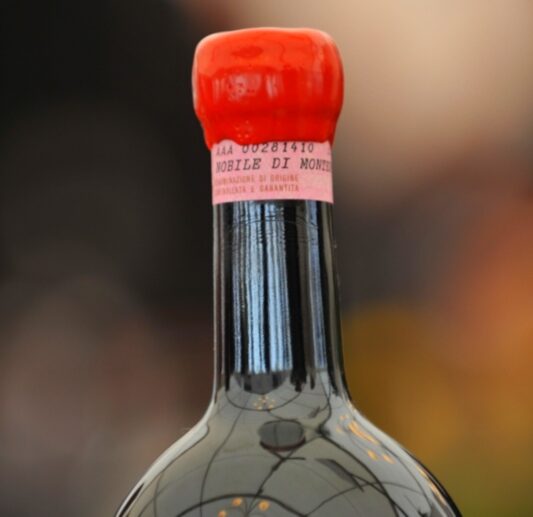
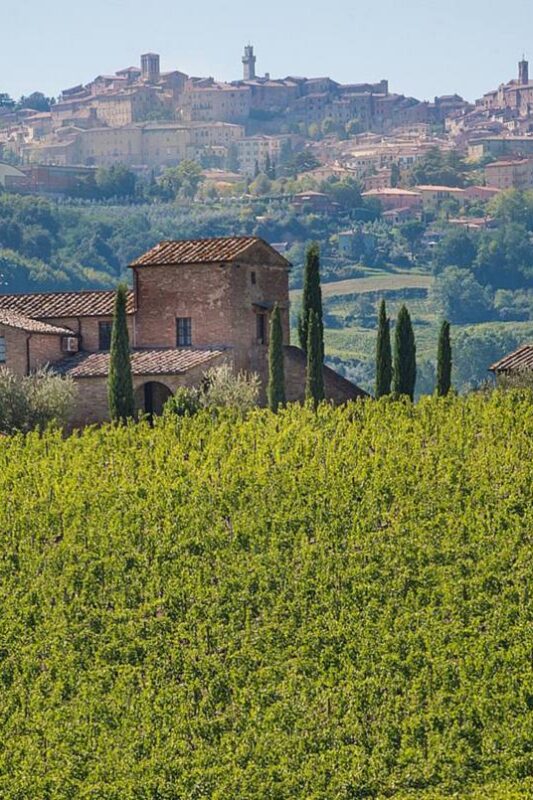
On February 10, Sardinia struts its stuff as it hosts the fifth annual Grenaches du Monde competition in the town of Alghero. It's the first time that Cannonau di Sardegna (the Sardinian version of Grenache) has really taken center stage in the international competitions. The most widely planted wine grape in the world, Grenache is grown extensively in Spain, France, Italy, Portugal, Greece, Mexico, Chile, South Africa, California, and Australia. In the 2016 competition, Spanish wineries dominated the gold medals, French and Sardinian winemakers the silver, and all three countries won bronze. No other nation even placed. Someday DNA research will unravel the tangled, contentious history of the grape. Grenache was long thought to hail from the southern Rhone, where it's the backbone of Châteauneuf-du-Pape....Read More
Shopping for signature tastes of New Orleans

Shopping for signature tastes of New Orleans

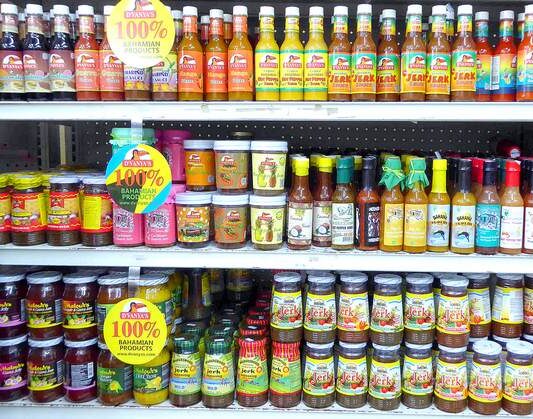
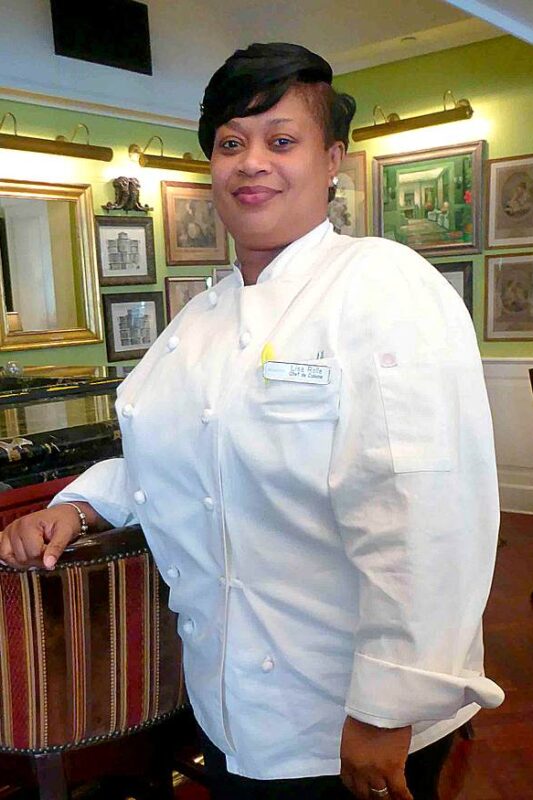
The New Orleans School of Cooking (524 St. Louis Street, 504-525-2665, www.nosoc.com) is located in an early 19th century molasses warehouse in the French Quarter. Every day of the week, its hands-on and demonstration classes introduce folks to the fine points of such Louisiana classics as jambalaya, shrimp remoulade, pralines, and bread pudding. Its Louisiana General Store, located in the same building, is also the most convenient place to peruse a carefully curated selection of food products essential to Creole and Cajun cooking. The shelves are packed with the products preferred by—and in some cases developed by—the school's instructors. I stopped in one afternoon and soon found myself engaged in conversation with staff member Cierra Briscoe (above). She is equally fascinated with food and fashion...Read More
Mixing it up with authentic New Orleans gumbo

Mixing it up with authentic New Orleans gumbo

A hearty bowl of gumbo is a powerful argument for open borders. It took four different cultures to create Louisiana's leading contribution to American cuisine. French settlers contributed the cooking technique, while the Spanish brought bell peppers, onions, and celery—the so-called “trinity” of seasonings. Africans added okra for flavor and as a thickening agent. For variation, some cooks thicken their dish with the filé powder favored by the local Choctaw tribe. Local choice Made with sausage and either shellfish or poultry, gumbo is a forgiving dish that allows each cook to put a personal stamp on it. I sampled many versions when I was in New Orleans and was never disappointed. But I ate my favorite at the Gumbo Shop (630 St. Peter Street, 504-525-1486,...Read More
New Orleans starts morning on the sweet side

New Orleans starts morning on the sweet side

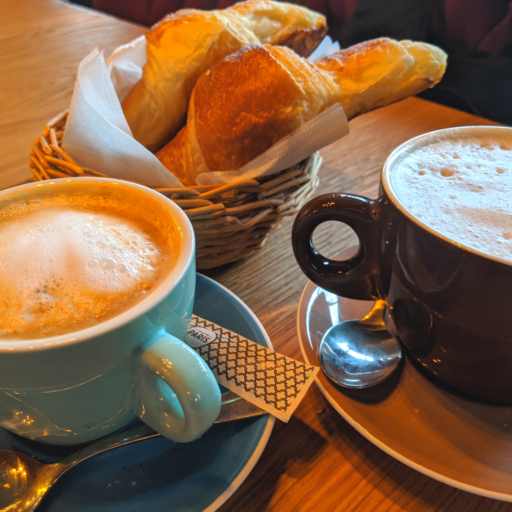
Beignets are the official state donut of Louisiana and perhaps the most famous of foods in New Orleans. (A later post will discuss gumbo, the other signature New Orleans dish.) But back to beignets. The squares of yeasted pastry dough are vat-fried and then treated to a thick dusting of confectioners' sugar. They are said to have originated in France and made their way to New Orleans with the Acadians who fled the Canadian maritime provinces when Britain took over in the mid-18th century. I'm not sure that the French would appreciate having their light-as-air pastries dubbed as donuts. You can try beignets any time of day or night at Café du Monde (800 Decatur Street, 504-525-4544, www.cafedumonde.com). This city institution, established in 1862, is...Read More
Chef Slade Rushing puts zing back in Brennan’s

Chef Slade Rushing puts zing back in Brennan’s

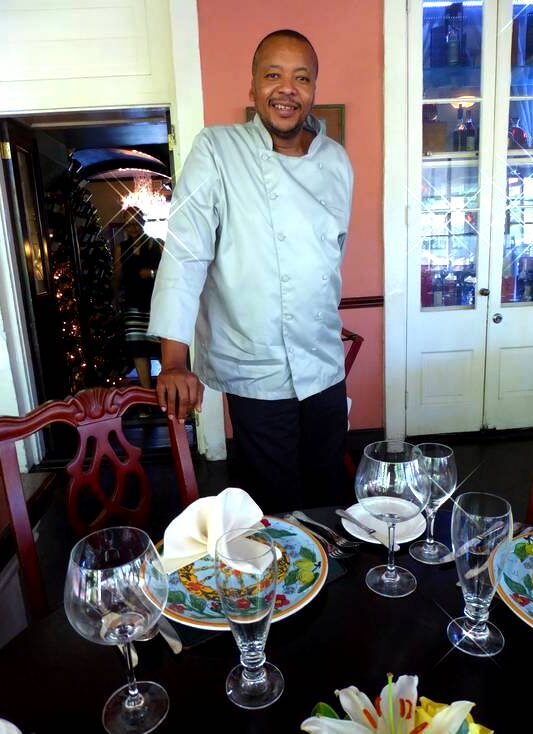
If you favor a light breakfast, you will have to adjust your thinking in New Orleans. Every meal, it seems, is an excuse for excess. French Quarter stalwart Brennan's (417 Royal Street, 504-525-9711, www.brennansneworleans.com) epitomizes the local penchant of beginning the day with a celebratory breakfast. The meal might start with a glass of sparkling wine mixed with pear and cinnamon purée and proceed through a couple of courses—and then dessert. After all, Brennan's is credited with introducing Bananas Foster. In 1946, family patriarch Owen Brennan opened the restaurant that launched a dining dynasty. Brennan's has been housed in an instantly recognizable bright pink building since the 1950s. It had fallen on hard times before Ralph Brennan and partner Terry White purchased it in 2013....Read More
Commander’s Palace lives up to the legend

Commander’s Palace lives up to the legend

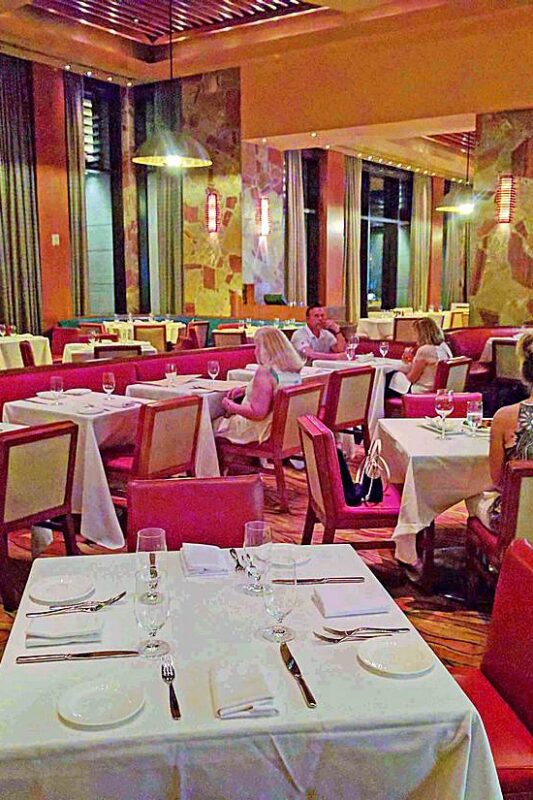
Enjoying a leisurely four-course Reveillon dinner (see previous post) is probably the best way to revel in the holiday spirit in New Orleans. But a fine meal is by no means limited to dinner—or to the historic French Quarter. For office parties and ladies who lunch, many restaurants also offer midday holiday menus. Among them is Commander's Palace (1403 Washington Ave., 504-899-8221, commanderspalace.com). This dining institution is housed in a bright blue building in the Garden District, where American interlopers shunned by French Creole society built their own grand mansions in the 19th century. The St. Charles streetcar carries passengers from the edge of the French Quarter to the Garden District in trolleys decked with garlands. Emile Commander opened Commander's Palace in the 1880s. It...Read More
Panna cotta Christmas style

Panna cotta Christmas style

As I mentioned in the last post, Broussard's served a dynamite version of panna cotta tweaked for the holiday season. Not only was it an intense pink and redolent of peppermint, it also had a luscious chocolate topping. While my homemade attempt doesn't indulge in some stray raspberries as a garnish, it does boast that winning combination of peppermint and chocolate. Many restaurant chefs offer panna cotta as a dessert option because making it doesn't require a pastry chef's skill set. In fact, it is about as easy as making Jell-O. Still, it's rich and satisfying and can be made to look fabulous. This recipe is a simple adaptation of the restaurant classic, but scaled down to dinner-party volume. To make it even easier, the...Read More
Eat, drink, and be merry in New Orleans at the holidays

Eat, drink, and be merry in New Orleans at the holidays

As a New Englander, I always secretly pitied people who had to celebrate Christmas in a warm climate. But after one day in New Orleans, I realized the error of my ways. Even in December, potted trees and ferns flourish on wrought iron balconies and poinsettias and camellias bloom profusely. All it takes are a few red bows and some twinkling white lights to deck the city for the holidays. With decorating out of the way, New Orleanians can spend more time at the table. Great food is a city birthright and I can't think of another place where you can eat better—or at a more reasonable price—than New Orleans at Christmas. Until the Civil War, Creole families enjoyed lavish feasts after Mass on Christmas...Read More
Château La Nerthe delivers warmth, finesse, and power

Château La Nerthe delivers warmth, finesse, and power

Châteauneuf-du-Pape might be the ultimate late autumn comfort wine. At its best, it's rich, nuanced, and warm. It has a gentle power that responds to those hormones that surge when the days get shorter. It also plays very well with food. The 2012 Château La Nerthe is the very model of what Hugh Johnson once called “a glowing, roast-chestnut warmth” characteristic of good Châteauneuf-du-Pape. Admittedly, good wines from this southernmost portion of the Rhone cost enough to be out of our league for everyday drinking. But this bottle comes in at a reasonable $65 suggested retail price—closer to $55 at discount wine shops. Just entering its drinking years (now through 2023, we're told), it blossoms when double-decanted and served at around 60° F. We opened...Read More