Italy

Hearty fare from the Dolomites in Alto Adige

Hearty fare from the Dolomites in Alto Adige

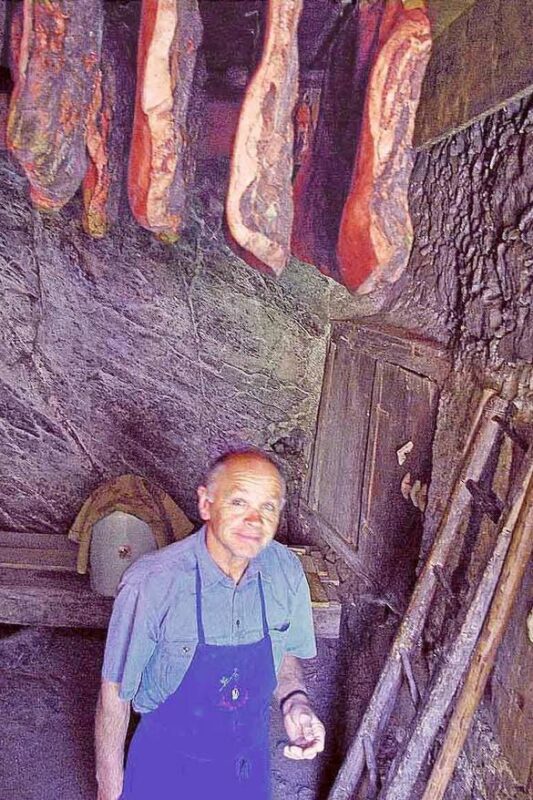
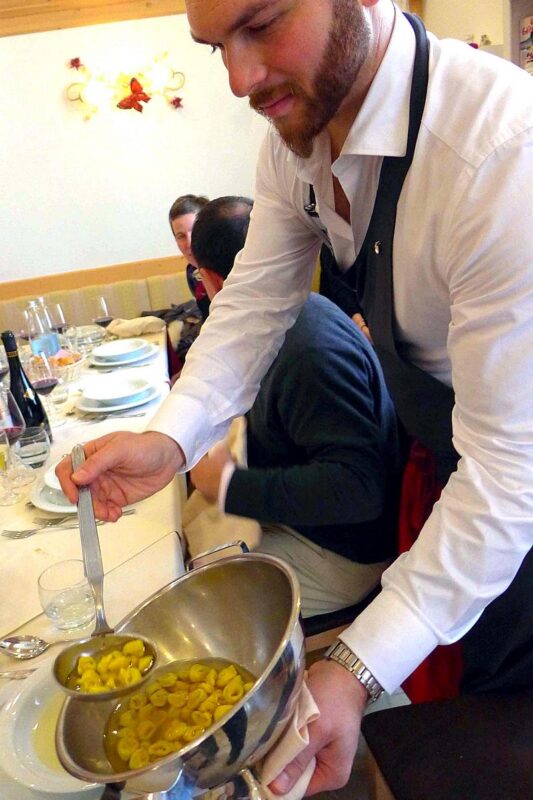
You might be wondering what the heck this photo has to do with soup. The picture shows the unveiling of the speck at a Speckfest. David attended the festival in the mountains of Alto Adige near the Austrian border. Like so many of the edges of what is now Italy, Alto Adige was long considered part of another country—Austria, to be exact. In fact, it's known in the local German dialect as Sudtirol, or South Tyrol. Our soup this Saturday (when we are forecast to receive around 2 feet/60 centimeters of snow) is warming winter fare. The Alto Adige version of barley soup gets much of its flavor from speck, the smoked mountain ham that is something of a fetish in the region. It's such...Read More
Journey to Sicily with pasta alla Norma

Journey to Sicily with pasta alla Norma

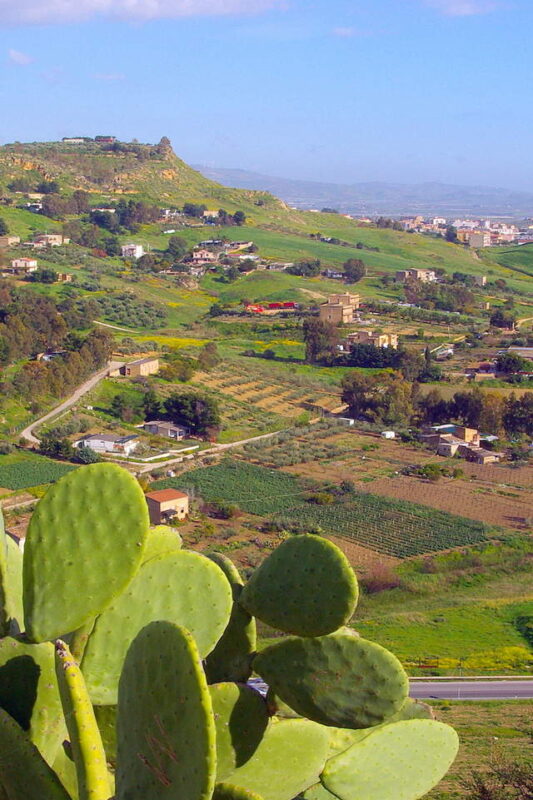
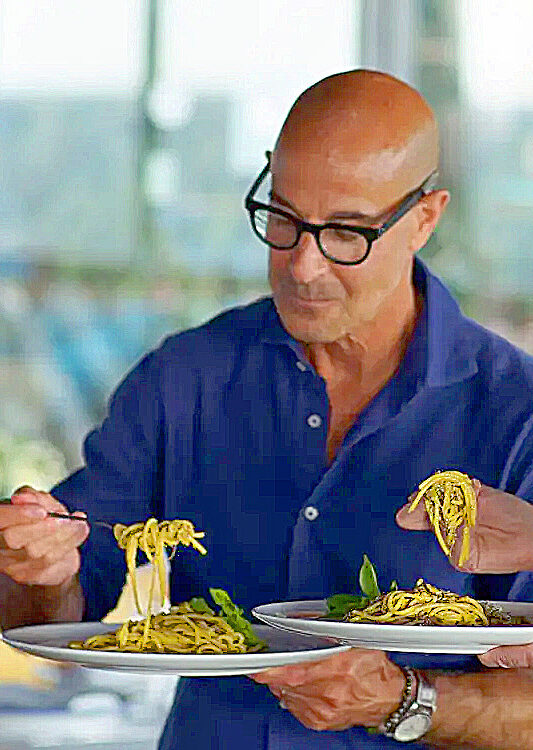
Somehow it seemed fitting that Stanley Tucci's quick survey of Italian cooking on CNN concluded in Sicily, a rugged land with overlays of Greek, Arab, and even Norman traditions. Because so many sons and daughters of the island emigrated to the U.S., Sicilian cooking became the departure point for many Italian-American dishes. Admittedly, American Italians show a penchant for piling on the cheese. Order eggplant parm in the U.S., and the hearty dish will probably have more ricotta and mozzarella than eggplant. Yet the original Sicilian cuisine is the model of a healthy Mediterranean diet. It emphasizes fresh vegetables—Sicily supplies the rest of Italy with winter produce—and goes light on the animal protein. Yes, many dishes are fried, but they're fried in extra virgin olive...Read More
Polenta, the thrifty side of Milanese cuisine

Polenta, the thrifty side of Milanese cuisine

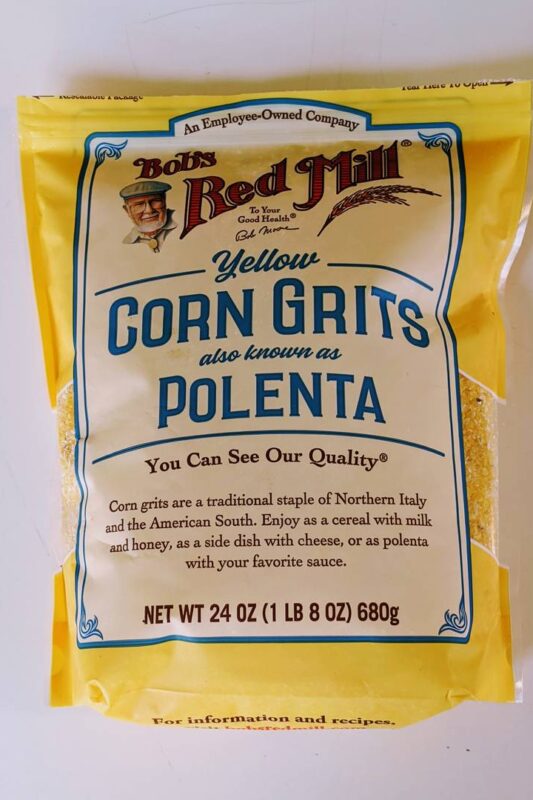
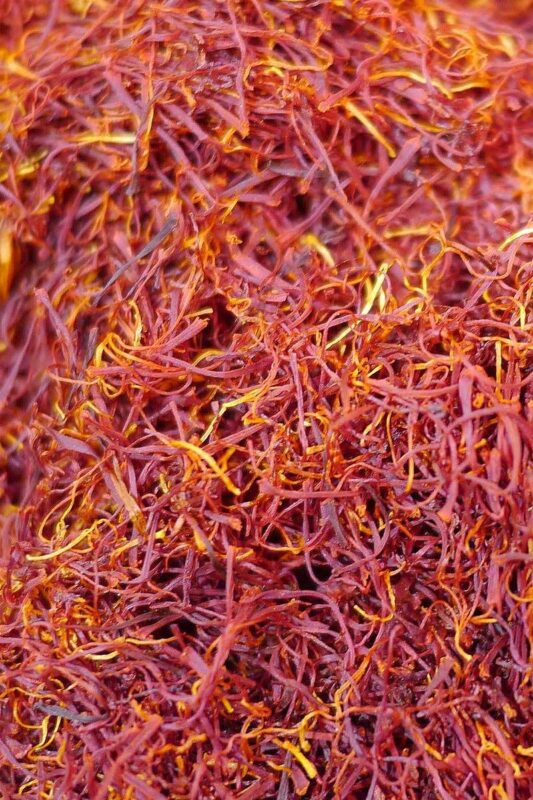
Given the cost of saffron, risotto alla milanese can be an indulgence. But the folks in Milan also favor maize (as they call American corn) as a base for many great dishes. Polenta is nothing more than coarse cornmeal cooked into a kind of porridge. That's a little like saying great bread is ‶nothing more″ than ground up wheat. Polenta can be a subtle treat on its own and makes a versatile base for almost any kind of sauce or even leftovers. In Milan, as Stanley Tucci pointed out in part four of Searching for Italy, it's often served topped with pot roast. Maize was introduced to Italy when Columbus sent corn to the Vatican in the 1490s. In the half millennium since, Italians have...Read More
In Milan, a little wealth helps make rich risotto

In Milan, a little wealth helps make rich risotto

Our experience with Milan is a little like Stanley Tucci's before he started shooting the Searching for Italy series now running on CNN. It was always a place we admired from afar and but visited mostly when we were changing trains or planes. For many years, Alitalia had direct flights between Boston and Milan, so we often flew through Malpensa when we were visiting northern Italy. As Tucci observed, the first thing that hit us about Milan is the pace. The city has a hurry-scurry that almost makes Manhattan feel laid-back. That's probably because the Milanese are so busy making money. The city is home to the Italian stock market, the furniture industry, and to Italian fashion and design. It helps to have all that...Read More
Tortellini and Ferrari, Modena’s gifts to the world

Tortellini and Ferrari, Modena’s gifts to the world

Episode 3 of Stanley Tucci: Searching for Italy on CNN was ostensibly devoted to the food of Bologna, the capital of Emilia-Romagna. But our restless Italian gourmand does wander a bit from the hometown of mortadella (the more sophisticated ancestor of American ‶baloney″) to visit Parma (amazing prosciutto and Parmigiano-Reggiano) and even Modena. We'd contend that Modena has given the world two of the most beautiful things to come out of Italy: the sleek red racing machines of Enzo Ferrari's automotive company, and the navel-shaped filled pasta called tortellini. (It's also the home of the greatest balsamic vinegar in the world, but that's another story.) Bologna may be the premier university city but Modena has a powerful and ancient university of its own. It also...Read More
Town by town Italian cooking with Stanley Tucci

Town by town Italian cooking with Stanley Tucci

Like a lot of Americans, we're watching Stanley Tucci: Searching for Italy on CNN. It airs on Sunday nights, though we confess to watching it on a weekend afternoon, thanks to the magic of a DVR. Now that football season is over, it's our excuse to slack off for part of the day with the excuse that we're working, right? (This blog post is supposed to make us feel less guilty.) Tucci's schtick in the series is that food tells the story of place, and that each place is unique. We wrote something to that effect ourselves some years ago in the PBS series companion book, The Meaning of Food. Episode 1 was devoted to Naples (pizza), Ischia (rabbit in tomato sauce), and the Amalfi...Read More
San Marzano DOP tomatoes to the rescue

San Marzano DOP tomatoes to the rescue

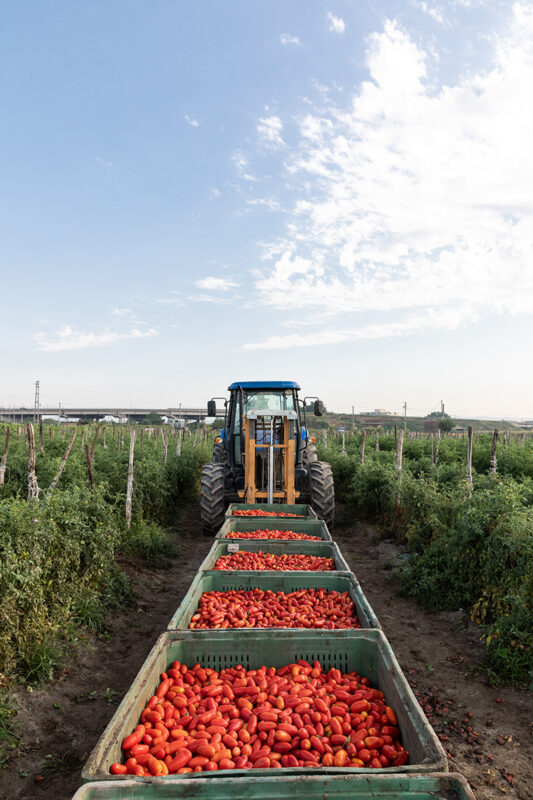
When our garden was hit with the first killing frost (and four inches of snow) on Halloween, we were lucky. We had harvested all our green tomatoes and a bucket of partially ripe cherry tomatoes before the mercury plunged. So we will still be cooking with fresh tomatoes for another week or so. But end-of-the-season tomatoes can't hold a candle to the sweet, juicy beauties of summer. Ditto the greenhouse tomatoes that we buy over the winter. Every year we talk ourselves into their virtues and overlook their faults. At some point great canned tomatoes are superior to just okay fresh ones. Finding the best canned tomatoes in the world We look for cans labeled ‶Pomodoro San Marzano dell'Agro Sarnese-Nocerino DOP.″ Sometimes it's a subtitle...Read More
World on a Plate: Caino’s coffee-dusted cacio e pepe

World on a Plate: Caino’s coffee-dusted cacio e pepe

Sometimes culinary genius reveals itself in a brilliant gesture rather than in profound technical flourishes. This tangle of pasta demonstrates the genius of restraint. It also embodies the taste and imagination of Valeria Piccini. Piccini simply calls the dish spaghettone cacio, pepe, e caffè. She frequently offers it as a pasta course at her family restaurant. Il Ristorante Caino (Via Canonica, 3, Montemerano; +39 0564 692 817; dacaino.it) is hidden away in a tiny medieval mountain village in Tuscany's Maremma. But Piccini's cooking draws admirers from all over Italy to the 13th century hamlet where sheep and goats may outnumber the 400 human inhabitants. Da Caino earned its first Michelin star in 1991, and has held two since 1999. The dining public and Michelin's inspectors...Read More
World on a Plate: carciofi alla giudia

World on a Plate: carciofi alla giudia

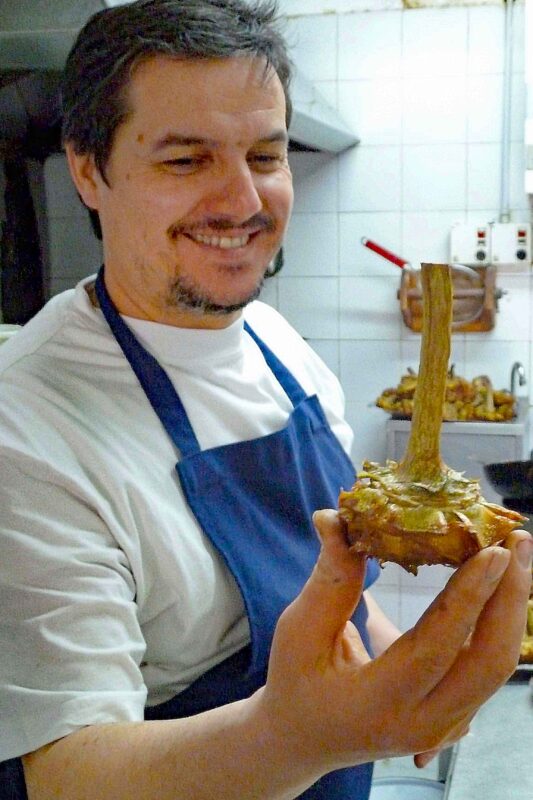
‶Jewish-style artichokes″ is what the Romans call this most Roman of fried dishes. The vegetable—really the flower of a thistle—is transfigured by its dual bath in hot olive oil. The ‶Jewish″ part of the name is a tip-off that it's a fried dish, as Jews introduced deep-frying to Italian cuisine during their confinement in the Roman ghetto in the 16th–19th centuries. The photo above shows a classic example from Da Teo (facebook.com/Trattoria.da.TEO/), a trattoría in the Trastevere neighborhood that recently reopened with social distancing. A few years back, we rented an apartment just down the street and ate there as often as we could. We almost always started with the artichokes as an appetizer. What we didn't appreciate at the time was that the giant...Read More
World on a plate: Gangemi gelato in Trieste

World on a plate: Gangemi gelato in Trieste

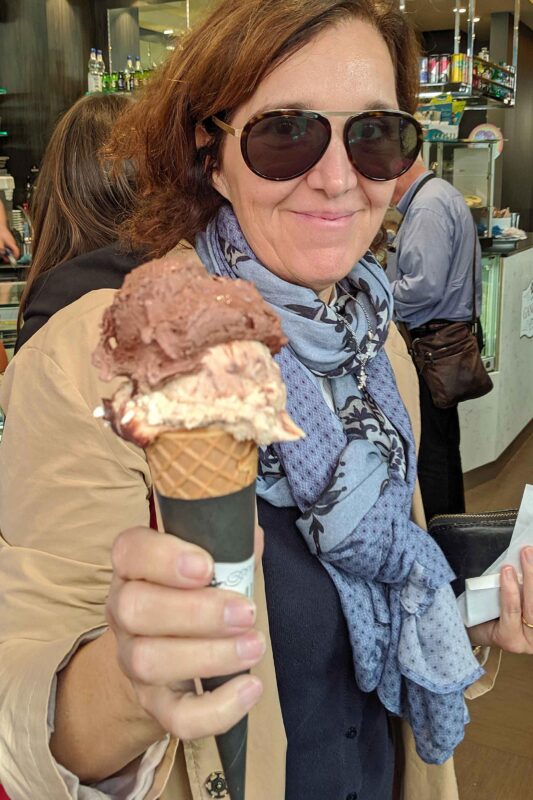
The first time either of us ever visited Trieste was with a group of American and Italian chefs. Coming from the ancient city of Aquileia, we drove nearly an hour out of our way to hit the seaside town at the head of the Adriatic. The leader of our group lined us all up for a photo on the main plaza overlooking the sea and then let us free for 20 minutes. The smart ones followed him to Gangemi at the juncture of Piazza della Borsa and Piazza d'Unita. ‶This is the best gelato in Italy,″ he pronounced, which was saying something coming from a Neapolitan who only grudgingly swooned over pistachio gelato in Sicily. Now that it's midsummer and we are stranded 5,000 miles...Read More